
The Story
On September 11th, 2001, four terrorist attacks kill nearly 3,000 people in New York, Washington, D.C., and Pennsylvania.
Half a world away, Usama bin Ladin and his al-Qaida terrorists celebrate in Afghanistan, their presumed safe haven, which is under the protection of the Taliban regime.
In October, CIA’s Team Alpha becomes the first U.S. force to be inserted behind enemy lines. The team consists of four paramilitary officers, two operations officers, one medic, and one Green Beret officer detailed to the CIA. Team member Mike Spann—call sign Badger Six—will become the first casualty on the battlefield for the United States in the War on Terror. He will be commemorated by the 79th star on the CIA Memorial Wall.
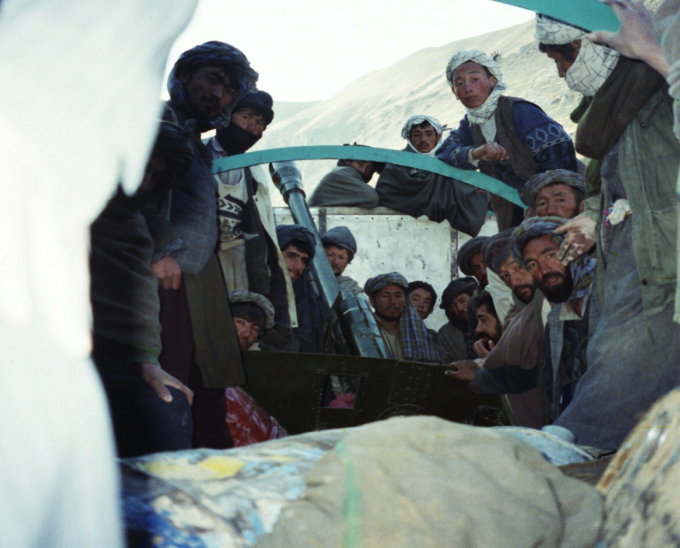
Our Afghan allies are waiting. They are ready.
Team Alpha links up with Afghan partners, mostly ethnic Uzbek cavalrymen. U.S. Army Special Forces Operational Detachment Alpha 595 is also inserted. In the weeks that follow, the Americans and their Afghan allies destroy Taliban and al-Qaida forces and take their objectives in the northern part of Afghanistan. The joint Afghan-American cavalry force becomes known as the “Horse Soldiers.”
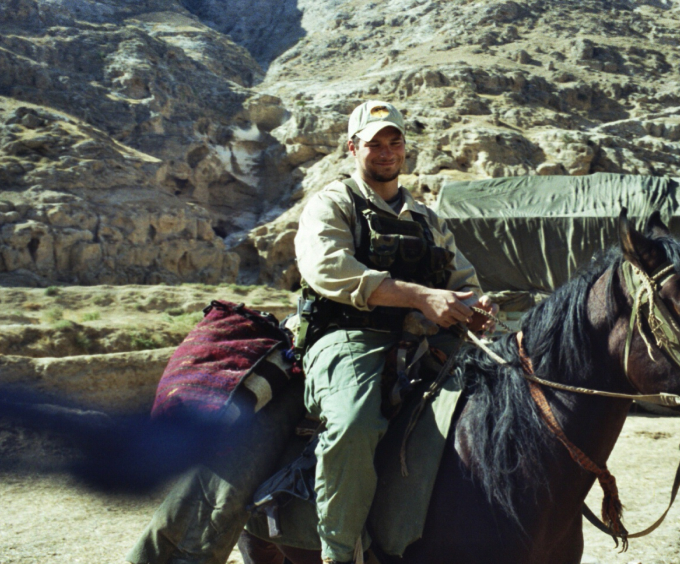
Team Alpha and the U.S. Army Special Forces Green Beret Operational Detachment Alpha 595 team up with Afghan partners, mostly ethnic Uzbek cavalrymen.
The Afghans had been fighting the Taliban long before US forces arrived in Afghanistan. They fight shoulder-to-shoulder with their American comrades-in-arms, protecting them in combat and even sacrificing their lives.
In early 2002, the deployment of Team Alpha and the Green Beret team ends, but the Afghan partners, who were so crucial to the battlefield successes, remain and fight on. Almost all go on to serve in the Afghan military, intelligence service, or police forces and continue to work closely with United States and coalition forces.
They take great risks and continue to do so throughout the conflict. Many are targeted for assassination or killed in action.
They are never safe. For the next two decades, our loyal Afghan allies fight alongside US-led coalition forces to battle the Taliban and al-Qaida terrorists. U.S. and coalition partners suffer over 3,500 killed in action. Estimates of Afghan security force losses are 80,000.
None of the Afghan commanders with whom Team Alpha and ODA 595 worked try to get U.S. visas. None of them ever plan to leave their jobs or their country. To Team Alpha and the Green Berets, these Afghans are heroes. They are legends.
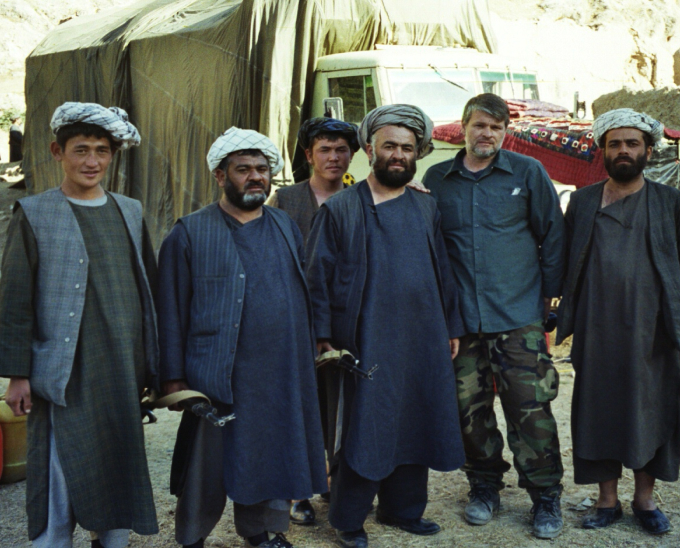
When the U.S. abruptly leaves Afghanistan in August 2021, these earliest allies are abandoned, some still fighting on the battlefield.
In the months that follow, few of the commanders are evacuated to the U.S. Some get out to neighboring countries. Those who are not able to leave, including the widows of men killed in action, are, along with their family members, hounded by the Taliban, and in some cases tortured and killed.
The threat to these Afghan heroes — our allies, our partners, our friends — remains critical today. But their story is not over.
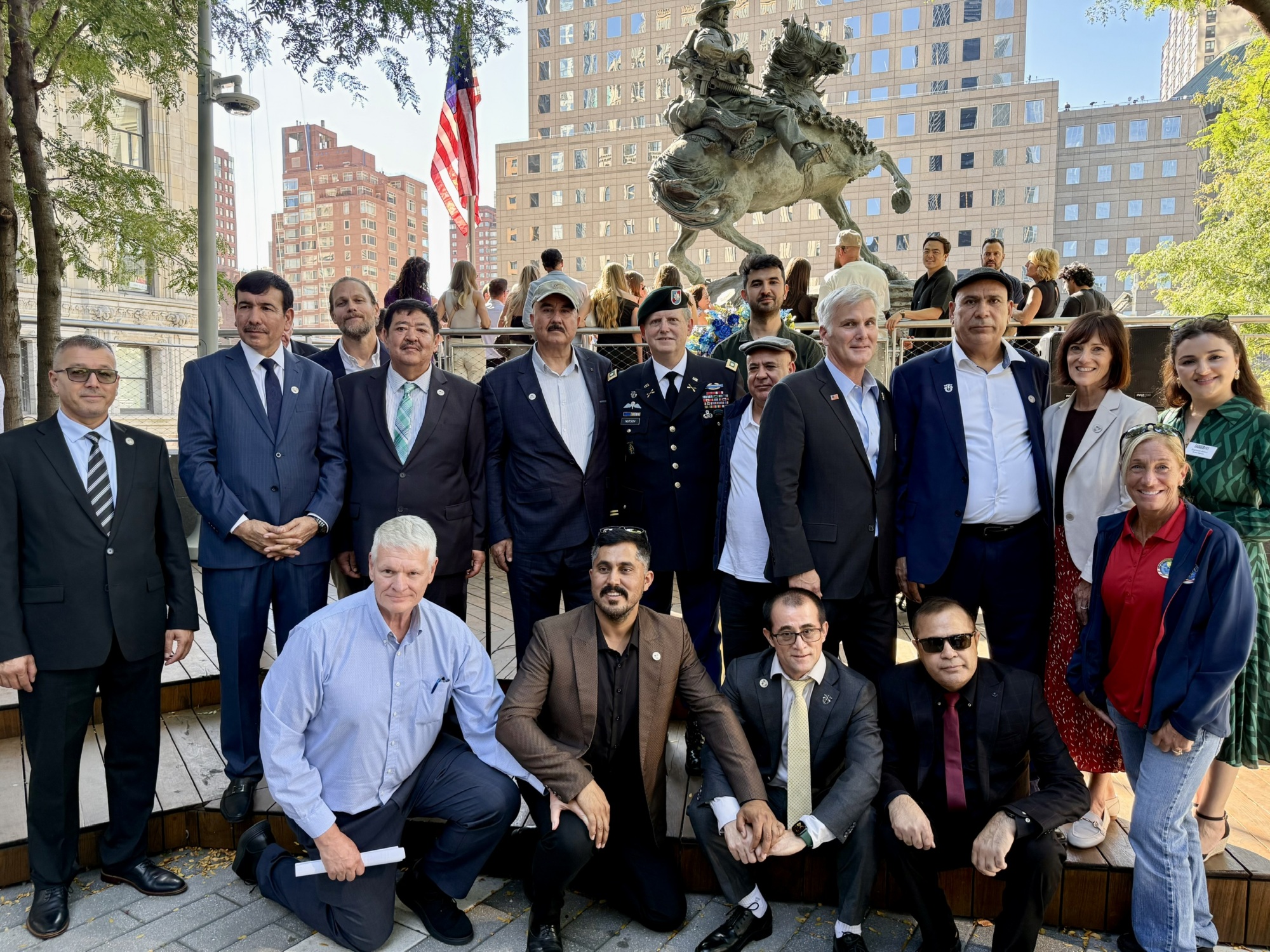
Twenty-five years after 9/11, the men who answered America’s call come together again.
On September 11, 2026, members of CIA’s Team Alpha, U.S. Army ODA 595, and their Afghan partners reunite at the America’s Response Monument at Ground Zero in New York City. It is a powerful moment of remembrance, honoring those who gave their lives and recognizing the extraordinary bonds forged between American and Afghan warriors in the earliest days of the War on Terror.
A quarter-century has passed, but the friendships, sacrifices, and shared memories remain. On the 25th anniversary of 9/11, these men — these heroes — stand together once again — honoring the past and looking to the future.